

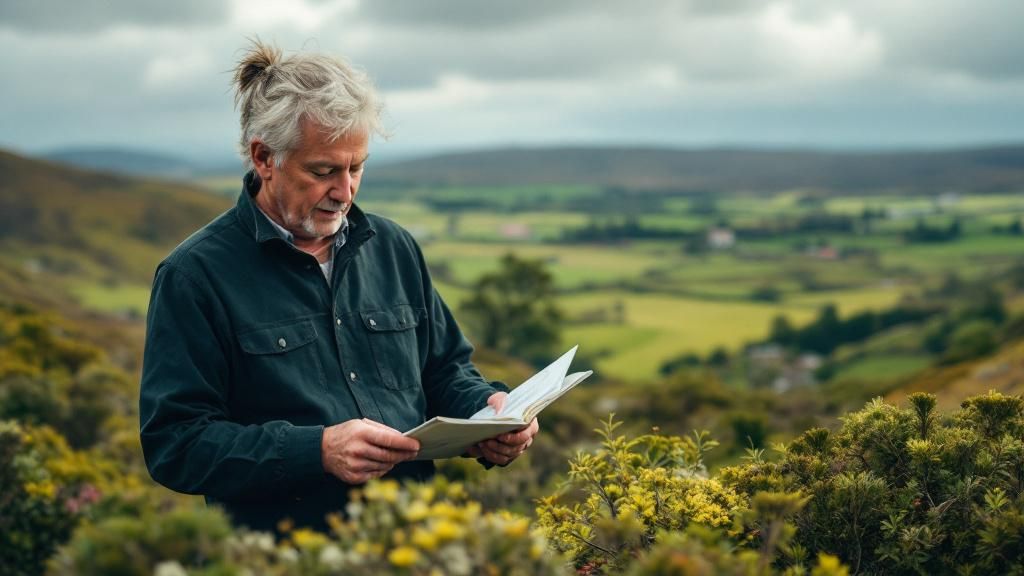
As worldwide integration threatens language variety across the British Isles, traditional language initiatives have emerged as vital lifelines for Scotland’s Gaelic and Wales’s Welsh dialects. These efforts, integrating formal education with local participation, are halting decades of decline and restoring cultural pride amongst young people. This article investigates how committed teachers and engaged local groups are safeguarding these ancient Celtic languages, examining proven approaches, their measurable impact on numbers of speakers, and the broader implications for maintaining Britain’s linguistic heritage.
The Significance of Gaelic and Welsh Preservation
The Celtic languages of Scotland and Wales constitute invaluable storehouses of cultural identity, historical knowledge, and linguistic variety. These historic languages contain centuries of heritage, oral tradition, and unique perspectives that cannot be adequately translated into English. In the absence of dedicated preservation initiatives, the loss of Gaelic and Welsh would erode not merely Scotland and Wales but also the entire cultural landscape of the British Isles. Heritage language initiatives thus function as vital custodians of this invaluable linguistic legacy.
Beyond cultural significance, preserving Celtic dialects offers significant cognitive and social benefits to speakers and communities alike. Research shows that bilingualism enhances cognitive flexibility, problem-solving skills, and academic performance amongst young learners. Furthermore, these languages reinforce community connections and foster a sense of belonging amongst speakers. By supporting heritage language programmes, Scotland and Wales are not merely preserving historical artefacts; they are nurturing vibrant, living languages that enrich the lives of contemporary speakers and generations to come.
Present Heritage Language Programmes in Scotland
Scotland’s strategy for Gaelic preservation has changed substantially over recent decades, with many Gaelic language initiatives now running across the country. The Gaelic Medium Education (GME) initiative functions as a foundation of these initiatives, offering immersive instruction through the medium of Gaelic from primary through secondary education. Supporting classroom learning, grassroots organisations such as Sabhal Mòr Ostaig and local Gaelic societies deliver educational opportunities for mature learners and community events that enhance linguistic competence and encourage intergenerational transmission of the language.
Beyond conventional educational settings, online channels and multimedia projects have transformed access to Gaelic learning resources. BBC Alba, Scotland’s Gaelic-language television channel, broadcasts learning material combined with entertainment, whilst online courses and mobile applications allow learners to study at their own pace. These multifaceted programmes together showcase Scotland’s commitment to halting Gaelic’s historical decline, establishing opportunities for speakers of all ages to connect with their heritage language and participate actively in Scotland’s vibrant Celtic linguistic community.
Welsh Language Revival Initiatives
Wales has introduced wide-ranging language revitalisation initiatives that have substantially boosted Welsh speaker numbers in recent decades. The Welsh Government’s commitment to learning-focused measures, such as mandatory Welsh-medium schooling and bilingual curriculum development, has created a generation of proficient speakers. These programmes place emphasis on early childhood immersion, understanding that foundational language acquisition during early formative stages yields the most sustainable results for long-term speaker retention and cultural continuity.
Local-driven schemes work alongside conventional learning structures, promoting organic language use outside traditional classrooms. Welsh language centres, heritage celebrations, and digital platforms provide accessible opportunities for speakers of all ages to use and take pride in their heritage. These local movements have built vibrant Welsh-speaking communities, especially in cities where the language was in retreat. The combination of official resources and public engagement demonstrates how multifaceted approaches effectively reverse language decline and enhance the handing down of this historic Celtic language.
Current Hurdles and Forward-Looking Possibilities
Despite substantial progress, heritage language programmes face major obstacles that jeopardise their sustained sustainability. Financial limitations continue to be a persistent challenge, with many initiatives reliant on government grants and voluntary funding that vary annually. Additionally, rivalry with mainstream languages and online platforms in English generates significant obstacles to engagement. Teachers proficient in Celtic dialects remain in limited availability, and curriculum integration across conventional schooling continues to be inconsistent. These structural impediments demand continuous political backing and substantial investment to resolve effectively.
Looking ahead, the long-term outlook of Gaelic and Welsh protection relies on forward-thinking strategies and grassroots action. Emerging technologies, encompassing engaging virtual environments and digital interaction, present exciting possibilities to reach younger demographics. Growth in early learning services and developing higher education Celtic language courses will cultivate a ongoing supply of fluent speakers and teachers. Ultimately, embedding these languages into daily community activities—through workplace initiatives, cultural events, and family-focused education—proves vital for securing these important cultural languages survive for generations to come.
