

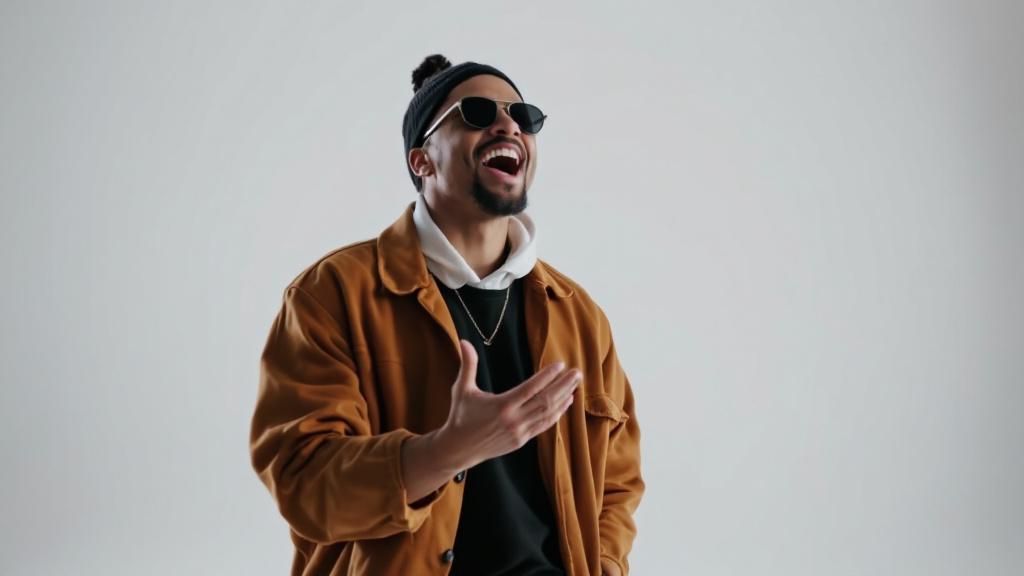
In an growing digital environment, social media has fundamentally transformed how audiences discover, consume, and engage with music. A renowned musician previously revealed candid insights into this significant transformation, examining how platforms like TikTok, Instagram, and YouTube have revolutionised the entertainment industry. From democratising artist discovery to disrupting traditional record label models, social media’s influence is beyond question. This article explores the opportunities and challenges facing modern musicians, investigating how they’re adapting their strategies to flourish in an era where trending clips can establish new stars overnight.
The Rise of Fan Engagement Platforms
Social media has dramatically altered the relationship between musicians and their audiences, displacing established middlemen that once managed direct contact between performers and listeners. Platforms such as Instagram, TikTok, and Twitter now enable artists to broadcast their creative journey, personal thoughts, and unreleased material directly to millions of followers instantaneously. This extraordinary transparency has cultivated stronger, more genuine relationships between performers and their fanbase, transforming passive listeners into active participants who feel authentically engaged with an artist’s journey and career trajectory.
The effects of this direct engagement are significant and varied. Artists can now gather real-time feedback on new material, explore ideas with their listeners before formal distribution, and build dedicated fanbases that deliver crucial assistance throughout their professional lives. Furthermore, this democratisation of communication has empowered emerging musicians to build substantial fanbases independently, circumventing traditional barriers that conventionally shaped the entertainment industry. Consequently, the conventional balance of power between record labels, promoters, and artists have moved significantly, opening fresh avenues for artistic independence and financial independence.
Drawbacks of Perpetual Connection
Whilst social media has undoubtedly opened doors for emerging artists, the unending requirement for perpetual content output presents significant challenges. Artists now find themselves required to sustain an almost perpetual online presence, producing compelling multimedia updates to maintain audience engagement and algorithmic favour. This pressure draws away crucial effort and attention from the creative process itself, risking damage to the calibre of artistic work. Furthermore, the expectation to be continuously available can exact a significant cost on mental health, as musicians struggle against widespread examination, negative comments, and the stress of preserving relevance in an progressively congested online space.
The algorithm-driven nature of social media platforms generates further challenges for musicians seeking sustainable careers. Achievement is not determined solely by talent or artistic merit; instead, it depends heavily upon understanding how platforms work, when to post content, and what’s trending. This unpredictability means that even exceptionally talented artists may struggle to gain traction, whilst others achieve viral success through novelty rather than authentic creative work. Moreover, the transient nature of social media attention means that maintaining momentum demands ongoing transformation, trapping artists trapped within an exhausting cycle of adaptation and performance that frequently seems disconnected from authentic creative expression.
The Future of Musical Content and Online Services
The evolution of the music industry appears fundamentally connected to the development of digital platforms. As artificial intelligence and machine learning continue to advance, customised music suggestions will become progressively more refined, substantially changing how listeners discover new artists. Streaming services are pouring investment into algorithmic playlist creation, which aims to expand creative access further whilst concurrently generating questions about artistic merit and market sustainability. The musician highlighted that adaptability will be crucial for those seeking longevity in this swiftly evolving landscape.
Emerging technologies offer both novel prospects and significant obstacles for contemporary musicians. VR performance experiences, distributed ledger payment models, and non-fungible tokens represent uncharted domains that artists are beginning to explore experimentally. However, the sustainability of these innovations remains uncertain, and many musicians express scepticism concerning their lasting prospects. The general agreement implies that whilst exploration remains vital, preserving genuine engagement with listeners through conventional methods remains equally crucial for building lasting careers and establishing genuine fan loyalty.
Looking ahead, thriving musicians will probably adopt combined approaches that harness social media’s reach whilst upholding artistic vision and creative ownership. The democratization of music production technology means that home-based creators now rival major studios, significantly reshaping industry hierarchies. However, the human touch—the art of storytelling, emotional resonance, and real connection—cannot be replicated by algorithms or technology. The musician concluded that this balance between innovation and authenticity will eventually shape the future generation of entertainment sector success.
